


You know when people come back from Tenerife going on about the beaches and the weather, but they’ve basically lived off hotel buffets and tourist trap paella? It’s like visiting Paris and only eating at McDonald’s.
Here’s the thing about Tenerife that most visitors completely miss: this island has some of the most incredible traditional food you’ll ever taste. I’m talking about dishes that have been perfected over centuries, using ingredients you can’t find anywhere else in the world. And yet, somehow, they remain hidden in plain sight.
After spending years exploring every corner of this island (and probably gaining a stone in the process), I’ve discovered that Canarian cuisine is absolutely nothing like what you’d expect. It’s not Spanish food, it’s not African food, it’s something entirely unique. And once you try it properly, you’ll understand why locals get genuinely offended when tourists assume they can get the “real” Tenerife experience from a beach bar serving chips and sangria.
The Foods That Define Real Canarian Culture
1. Papas Arrugadas with Mojo Sauce
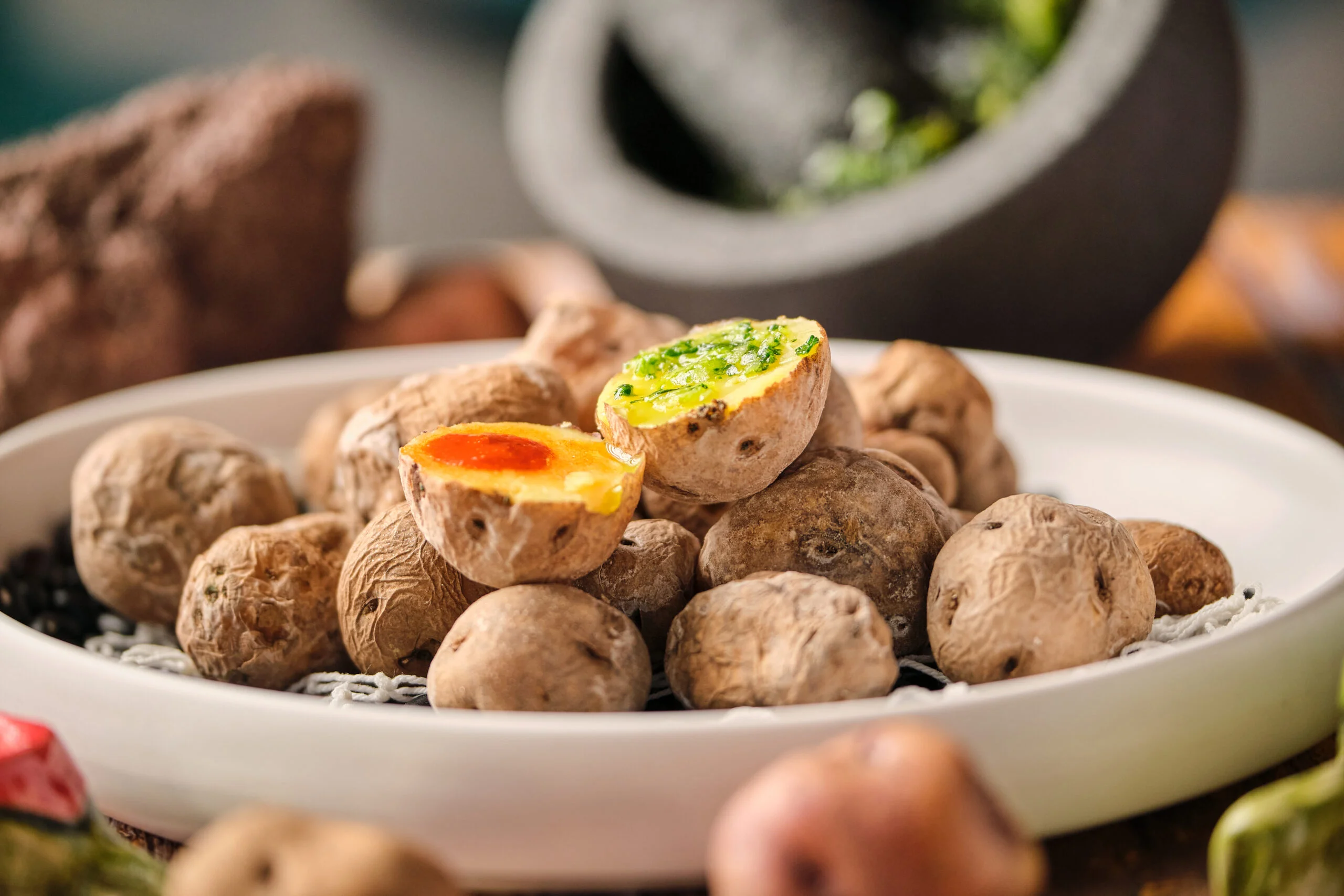
Let me start with the absolute king of Canarian cuisine. These aren’t just potatoes, they’re small, local potatoes boiled in seawater until they’re wrinkled and covered in a white salt crust. The magic happens when you dip them in mojo sauce.
Now, there are two types of mojo you need to know about: mojo rojo (red) made with peppers, and mojo verde (green) made with coriander and parsley. The green one will blow your mind. I’ve seen grown men weep over a good mojo verde, and I’m not even exaggerating.
2. Gofio
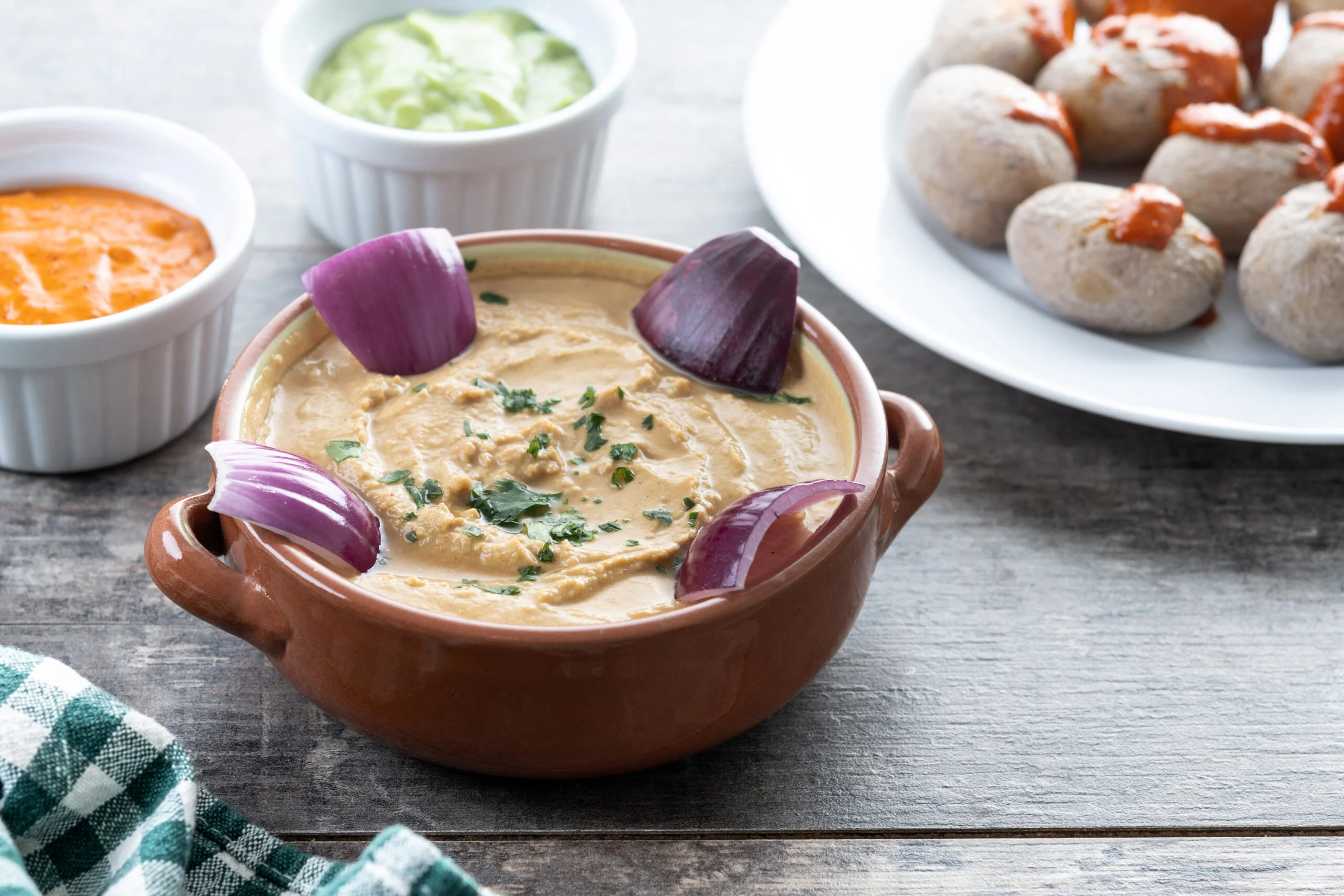
This is where things get interesting. Gofio is roasted grain flour that’s been a staple here since the Guanche people (the original inhabitants) were around. You can have it mixed with milk for breakfast, stirred into stews, or even made into ice cream.
I’ll be honest, it took me a while to appreciate gofio. It’s earthy, nutty, and completely unlike anything you’ve had before. But once it clicks, you’ll understand why Canarians have been obsessed with it for over 500 years.
3. Fresh Fish (Particularly Vieja and Cherne)

The fish here is ridiculous. Vieja (parrotfish) has this sweet, delicate flavour that’s nothing like the overcooked fish you might expect. Cherne (wreckfish) is meatier, almost like a cross between fish and chicken.
What makes it special is how fresh it is. We’re talking caught-this-morning fresh, grilled simply with a bit of salt and served with those papas arrugadas I mentioned. It’s perfection on a plate.
4. Conejo en Salmorejo (Rabbit in Marinade)

Before you wrinkle your nose, hear me out. Rabbit is incredibly popular here, and when it’s marinated in garlic, paprika, and local herbs, then slow-cooked until it falls off the bone, it’s absolutely divine.
The salmorejo marinade is what makes it special. It’s tangy, aromatic, and completely transforms the meat. Even if you think you don’t like rabbit, this dish might change your mind.
5. Ropa Vieja Canaria

This translates to “old clothes,” which sounds awful but tastes incredible. It’s shredded beef and pork cooked with chickpeas, vegetables, and spices until everything melds together into this comforting, hearty stew.
Every family has their own version, and locals will argue passionately about whose grandmother made it best. It’s proper comfort food that tells the story of the island’s history in every bite.
6. Queso de Flor (Flower Cheese)

Made with thistle flower instead of traditional rennet, this cheese has a creamy texture and slightly bitter, complex flavour. It’s protected by designation of origin status, which means you literally cannot get the real thing anywhere else in the world.
Pair it with local honey and you’ve got something that will haunt your dreams in the best possible way.
7. Bienmesabe

This dessert is basically heaven in a bowl. Ground almonds, egg yolks, sugar, and lemon zest create this rich, creamy pudding that’s often served with ice cream or cinnamon.
The name means “tastes good to me,” which is possibly the greatest understatement in culinary history. It tastes good to everyone.
8. Sancocho Canario

This is the dish that brings families together. Salt cod, sweet potatoes, regular potatoes, and gofio all cooked together and served with mojo sauce. It’s traditionally eaten during Holy Week, but honestly, any excuse will do.
The preparation is almost ceremonial. Families gather, everyone has a job, and the whole process becomes this beautiful social event. The Canary Islands Government recognises it as one of the most important traditional dishes for good reason.
9. Puchero Canario

Think of this as the island’s answer to a Sunday roast. It’s a massive stew with beef, pork, chicken, vegetables, and legumes all cooked together for hours. The result is this incredibly rich, satisfying meal that’s perfect for sharing.
What I love about puchero is how it brings people together. You don’t eat this alone; it’s a social dish that demands conversation and laughter.
10. Local Wines (Particularly from Tacoronte-Acentejo)

Okay, this isn’t food, but Canarian wines are absolutely essential to the experience. The volcanic soil creates these unique, mineral-rich wines that you simply cannot find anywhere else.
The white wines are crisp and fresh, perfect with fish. The reds are earthy and complex, ideal with the heartier meat dishes. And the sweet Malvasia wines? Pure liquid gold.
Where to Find These Authentic Flavours
Here’s where most people go wrong. You won’t find authentic Canarian food in the tourist areas. You need to venture into the local neighbourhoods, the small family-run restaurants where the menu might not even be in English.
Look for places where locals are eating. If you see a restaurant full of Canarians, especially older ones, you’re probably onto something good. These are the places where recipes have been passed down through generations, where they still make their own mojo sauce and where the fish was swimming this morning.
Frequently Asked Questions
Is Canarian food spicy? Not really. The mojo sauces have a bit of heat, but it’s more about flavour than fire. Even the mojo rojo is quite mild by most standards.
Are there vegetarian options? Absolutely. Papas arrugadas, gofio dishes, local cheeses, and many vegetable-based stews are naturally vegetarian. The island’s agricultural heritage means vegetables feature heavily in traditional cooking.
How expensive is traditional Canarian food? It’s generally very reasonable, especially compared to tourist restaurants. A proper meal at a local guachinche (traditional family restaurant) will cost a fraction of what you’d pay at a hotel restaurant.
Can I buy ingredients to take home? Some things, yes. Gofio, mojo sauce, and local cheeses are available in supermarkets. However, the really special stuff like fresh fish and local wines might be harder to transport.
Look, I could go on about Canarian food for hours (and frequently do, much to my friends’ annoyance). But the real point is this: if you visit Tenerife and don’t try these traditional foods, you’re missing the soul of the island.
The beaches are lovely, the weather’s brilliant, but it’s the food that will give you those moments you’ll remember forever. Those perfect bites that make you close your eyes and think, “This is why I travel.”
So next time you’re here, skip the international chains and tourist menus. Find a proper Canarian restaurant, order something you can’t pronounce, and prepare to discover what this island is really about. Your taste buds will thank you, and you’ll finally understand what all the fuss is about.
Trust me on this one. After all, I’ve done the research, and it was absolutely delicious.


