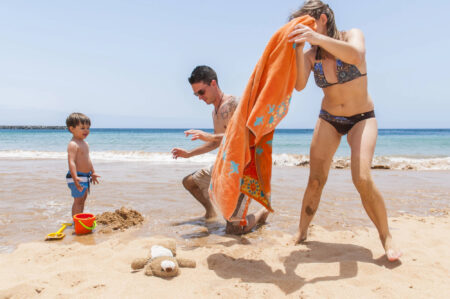




Most people who visit Tenerife spend the whole trip within a few kilometres of their hotel. Beach, pool, dinner, repeat. And honestly, there’s nothing wrong with that. But if you’ve been here a few times, or you’re just the kind of person who likes to actually see a place, then you already know that the real Tenerife is somewhere else entirely.
It’s up the hill. Around the bend. Past the roundabout with the dragon tree. It’s in a cobbled square where an old man is playing dominoes with three other old men, and none of them are looking at a menu with pictures.
This island has 31 municipalities, and most visitors see about two of them. That feels like a genuine shame, especially when some of these towns are so good they’ll completely change how you think about Tenerife.
So here’s a proper rundown of the towns worth your time, including what to do, why it matters, and a few honest notes on what to expect when you get there.
1. La Orotava: The One That Stops You in Your Tracks

If you only visit one town beyond the resort belt, make it this one.
La Orotava is what Tenerife looked like 300 years ago. Flower covered wooden balconies overflow with geraniums, and the architecture is genuinely preserved rather than reconstructed. You notice the difference. It doesn’t feel like a museum version of history. It feels like people actually live here, love it, and haven’t felt the need to change it.
The Casa de los Balcones is the obvious draw, a 17th century mansion that’s worth the small entry fee. But honestly, just walking the streets is the thing. Steep streets, yes, so wear good shoes. The views down to the coast are something else.
La Orotava is also famous for its annual Corpus Christi festival, when the streets are covered in intricate sand carpets. If you can time your visit around it, do. It’s one of those things you’ll keep telling people about years later.
Worth knowing: La Orotava sits at the foot of Spain’s highest peak, Teide, at 3,715 metres, making it a natural gateway to the national park.
2. San Cristóbal de La Laguna: The UNESCO Town Locals Actually Love
La Laguna gets busy, but it earns it. Listed as a UNESCO World Heritage Site, La Laguna is known for its cobblestone streets, brightly painted colonial houses in pastel colours, and a vibrant cultural scene built around its university life.
What makes it work is the balance. You’ll find plenty of locals, students, small cafés, tapas bars, and restaurants run by residents. There are no big chains to speak of. It feels authentic while being completely accessible.
Go on a weekday morning if you can. Sit somewhere, have a coffee, watch the students and the office workers and the older locals all sharing the same square. That’s La Laguna at its best. The cathedral is worth a look, and the Church of La Concepción is genuinely striking.
Good to know: It’s just a short tram ride from Santa Cruz, so you can easily combine the two in a day.
3. Garachico: The Town That Burned, Flooded, and Came Back Lovelier

Garachico has a story. In 1706, a volcanic eruption wiped out most of what had been Tenerife’s most prosperous port. The lava flowed into the sea and, strangely, left behind something rather beautiful: the natural rock pools of El Caletón, which people still swim in today.
Garachico is small, so you can easily visit in a couple of hours. Stroll along the seafront promenade, stop at one of the traditional restaurants, wander around the historic centre, and swim in the natural pools of El Caletón.
There’s a quiet dignity to Garachico that you don’t always find in places that have been through so much. The plaza is lovely. The church is lovely. High above it all, the Mirador de Garachico opens up views along the coast and has a bar serving local wine and creative riffs on Canarian ingredients.
It’s the kind of place you arrive planning to spend an hour and leave three hours later.
4. Masca: Small Village, Enormous Drama

Masca is not easy to get to. The road up is narrow, winding, and genuinely not for nervous drivers. There’s limited parking, and it gets busy.
But, Masca is the most picturesque village in Tenerife, perched in the Teno mountains with traditional stone houses clinging to the mountainside and a landscape of vertiginous gorges below.
The famous hike down through the ravine to the beach below is a serious undertaking. It takes a few hours, you need a boat back, and you’ll need to book in advance. The hiking trails here explore natural landscapes and lead to secluded beaches that feel genuinely remote.
If you just want to visit the village without the hike, go early, before the tour buses arrive. Have a coffee at one of the small terraces, look out at the view, and try to get your head around the fact that people actually live here.
5. Icod de los Vinos: The Dragon Tree Town
Most people come to Icod for the Drago Milenario, a dragon tree thought to be around 800 years old, and it is worth seeing. But there’s more to this town than one very old, very strange looking tree.
Icod is surrounded by vineyards and its local wine production makes it the right place to try Tenerife wine. You can also visit the Casa del Plátano to learn about banana cultivation.
Here’s a local tip: if you want to see the dragon tree for free, head to Plaza Andrés de Lorenzo Cáceres. From there, the view is excellent and you’re quite close, without paying for the Parque del Drago entry.
The cobbled streets are genuinely pretty, and the small local cafés are good. Don’t rush through.
6. Santa Cruz de Tenerife: The Capital That Gets Overlooked
It sounds strange to say the capital is overlooked, but it genuinely is. Most tourists in the south never make it up here, and that’s their loss.
Santa Cruz is a lively, interesting city with a rich cultural heritage, a charming old town, a long seafront promenade, quirky museums, and the striking Auditorio de Tenerife, which resembles the Sydney Opera House in its ambition.
The Mercado de Nuestra Señora de África is worth a morning of anyone’s time. Colours, smells, local cheeses, fresh fish, mojo paste in jars you’ll wish you could take home in your suitcase. If you’re visiting in February or March, the Santa Cruz Carnival is considered the second most important carnival in the world after Rio de Janeiro.
You can learn more about Tenerife’s history and culture at the Museo de la Naturaleza y el Arqueologia, which houses one of the best collections of Guanche artefacts in the world. It’s genuinely fascinating.
7. Puerto de la Cruz: The Original Resort, Before Resorts Got Rubbish
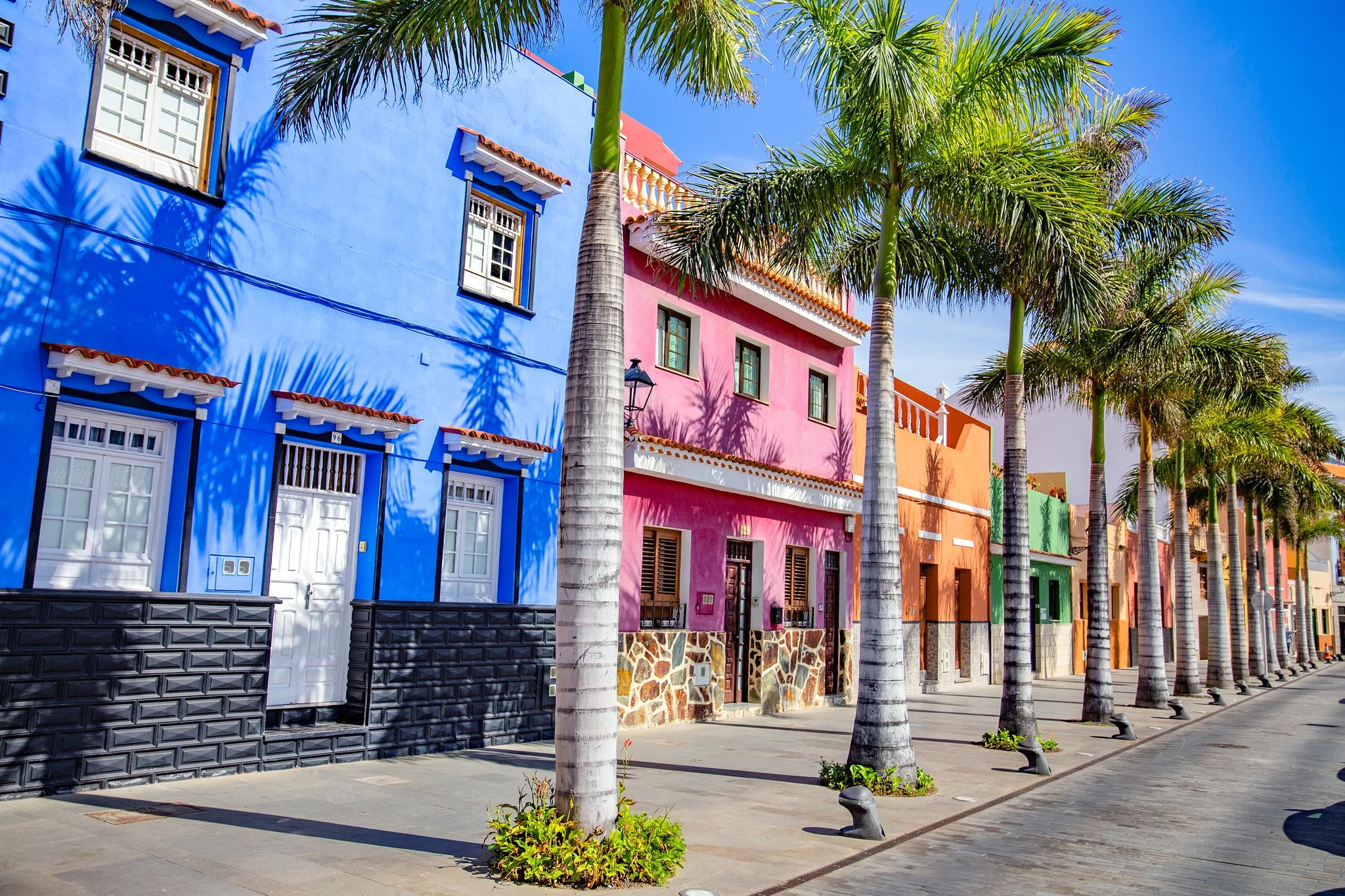
Puerto de la Cruz was doing tourism long before the south was built up, and it shows. Not in a tired way. In a way that feels like it actually knows what it’s doing.
Puerto de la Cruz combines historic buildings with an active town centre. The Lago Martiánez, a complex of seawater pools designed by the artist César Manrique, is one of the standout attractions. It’s a genuinely enjoyable place to spend a few hours, especially on a warm afternoon.
The botanical garden is old school in the best sense, and the Plaza del Charco is good for sitting and watching northern Tenerife life go by. The natural pools along the seafront are where locals swim, not tourists. Get yourself there.
Puerto de la Cruz harmoniously combines colonial charm with modern attractions, and the relaxed atmosphere of its historic centre makes it easy to spend a half day here without trying.
8. Taganana: The One That Feels Like the End of the Earth
You drive through the Anaga mountains, the road gets narrower, the hairpins get tighter, and then suddenly this small, ancient village appears on a hillside above the sea. That’s Taganana, and it genuinely earns the journey.
Taganana is located in the Anaga Rural Park in the north, with great views of cliffs and beaches. From Santa Cruz, it takes around 40 minutes by car through the mountainous terrain.
If you get to Taganana, stop for lunch at one of the local eateries where you’ll always find fresh fish. Afterwards, continue to Playa del Roque and Playa de Benijo, two of the wildest and most secluded beaches in Tenerife, and one of the best places on the island to watch the sunset.
The Anaga Rural Park itself became a UNESCO Biosphere Reserve in 2015 and the hiking here is some of the best on the island. Taganana is a good base for exploring it.
9. Los Gigantes: Cliffs, Calm, and Boat Trips Worth Booking
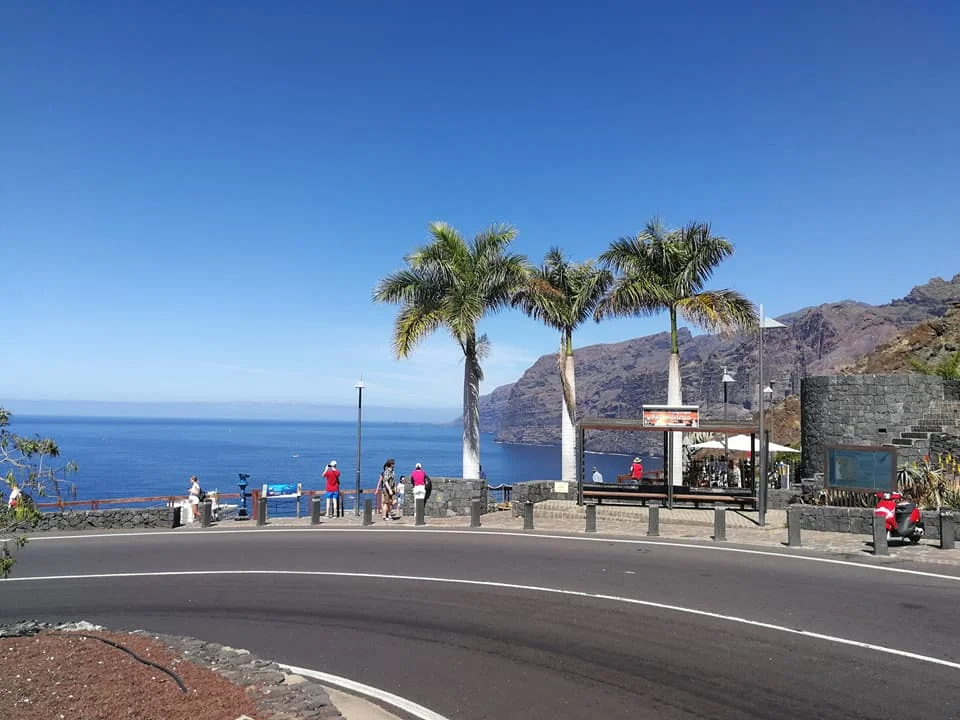
Los Gigantes doesn’t pretend to be something it’s not. It’s a small resort town, yes, but it has a genuinely dramatic setting that never gets old.
The basalt cliffs of the Acantilados de los Gigantes rise 600 metres above the Atlantic, and the town itself is a low-rise, white-washed place with a seafront promenade, the volcanic sands of Playa de la Arena, and fiery sunsets that silhouette La Gomera on the horizon.
The best way to see the cliffs properly is by boat. Most operators run morning trips that include whale and dolphin watching, and the pilot whales in this stretch of water are resident all year round, not just seasonal. It’s one of those experiences that actually lives up to expectations.
For the best views of the cliffs from above, walk to the end of Calle Tabaiba to a natural lookout point. No charge, no queue, just you and something very large and very vertical.
10. Vilaflor: The Highest Town in Spain, and Worth Every Metre
Vilaflor sits at around 1,400 metres above sea level, which makes it the highest town in Spain, and the air feels it. Clean, cool, and pine scented. It’s a different Tenerife entirely.
Vilaflor is the starting point for the hike to the Paisaje Lunar, the Lunar Landscape, one of the most rewarding hikes in the south. It’s a strange and beautiful place, all eroded volcanic rock formations that look genuinely otherworldly.
The town itself is small and quiet. A good stop is the Restaurante Cafetería La Paz, where they do a nice barraquito coffee and a slice of almond cake. Have one before the hike, or after. It’s the kind of simple pleasure that stays with you.
A Few Towns Worth an Honourable Mention
Candelaria sits on the eastern coast and is spiritually significant as the home of the Basilica of Our Lady of Candelaria, the patron saint of the Canary Islands. The statues of the ancient Guanche kings in the plaza are striking, and pilgrims come from across the island throughout the year.
El Médano on the south coast is a surfer and windsurfer’s town with a genuinely laid back feel. It’s the best spot in Tenerife for windsurfing and kitesurfing thanks to near constant wind conditions, and it has a relaxed, bohemian atmosphere that’s quite different from the big resort towns nearby.
Tacoronte, in the north, is a quiet town with an excellent local wine culture. The Tacoronte – Acentejo Wine Route is a proper wine region with centuries old wineries and wines carrying a Denomination of Origin. If you like your wine, spend an afternoon here.
Frequently Asked Questions
Which town in Tenerife is best for families? Puerto de la Cruz has a good mix. Natural pools, the botanical garden, a real town centre with restaurants and shops. It’s easy to navigate and has enough to keep everyone busy without being overwhelming.
What’s the best town to stay in Tenerife? It depends what you want. For beaches and sunshine, Costa Adeje in the south. For culture and cooler weather, La Orotava or Puerto de la Cruz in the north. For something truly off the beaten track, Garachico is hard to beat.
Which Tenerife towns are best for foodies? La Laguna has the best restaurant scene. La Orotava has excellent local wine from nearby bodegas. Taganana is the place for honest, fresh fish. Vilaflor is good for traditional Canarian food in the mountains.
Is it easy to get around between towns? By car, yes. Tenerife’s road network is good and most towns are within an hour of each other. By bus (the TITSA network), it’s very manageable for the main towns, though some smaller villages like Masca and Taganana are trickier without your own wheels.
When is the best time to visit these towns? Honestly? Any time. The north and high altitude towns are cooler and sometimes cloudy between November and February, but never unpleasant. Spring and autumn are excellent across the whole island. Summer is busy but the evenings are lovely.
One Last Thought
Tenerife is bigger and more varied than most people expect. It’s easy to arrive, find a sun lounger, and never leave the pool. There’s genuinely nothing wrong with that. But if at any point during your stay you feel like you want to see what else this island is made of, just get in the car and drive north. Or east. Or up.
The towns on this list aren’t destinations you tick off a list. They’re places you stumble into, stay longer than planned, eat something you can’t quite name, and think about on the flight home.
That’s Tenerife, once you get past the resort.