

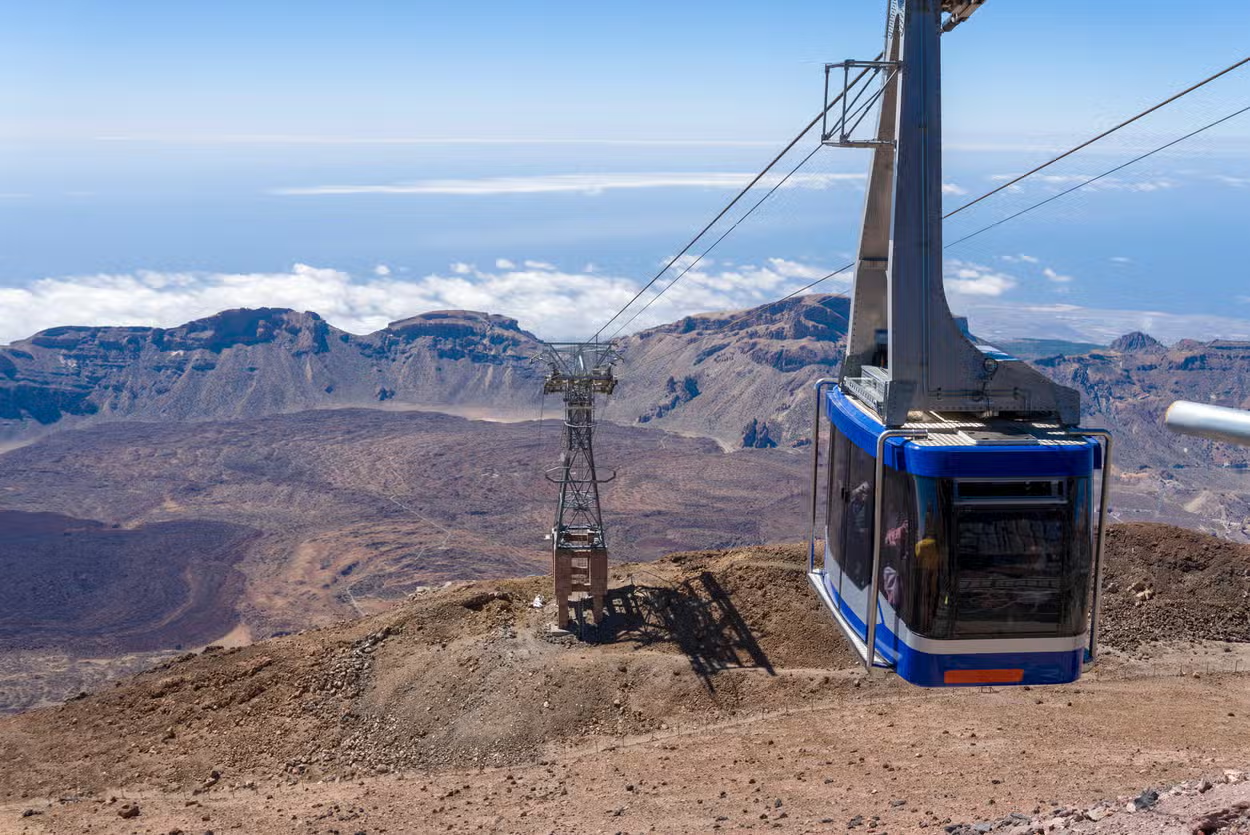
The Teide cable car is one of the most visited attractions in Spain, and for good reason. It carries passengers from the base station at 2,356 metres up to 3,555 metres on the slopes of Mount Teide, Spain’s highest peak and the world’s third tallest volcanic structure.
This guide covers everything worth knowing before you visit, from booking and getting there, to what to wear, what to expect at the top, and whether the summit hike is worth attempting. Whether you’re planning your first trip or just want to make sure you don’t get caught out, this is the practical, honest rundown.
Getting to the Cable Car Station
The cable car base station sits inside Teide National Park, which is a UNESCO World Heritage Site. Getting there is part of the experience, honestly. The drive up through the park is one of those journeys where you keep thinking you should pull over and take a photo, and then you do, and then you think you should pull over again.
From the south of Tenerife, the most common route is via the TF-21 through Vilaflor. From the north, you’ll come through La Orotava. Both roads are well signposted and perfectly driveable, but they are winding, so if anyone in your group gets car sick, sit them in the front and keep the windows cracked.
A few practical things worth knowing:
- Parking at the base station is free but fills up fast, especially between 10am and 1pm. Get there before 9am if you can.
- Bus options exist from several resorts, though they’re less flexible. The TITSA bus service runs routes into the park, but check the timetable before you rely on it.
- Taxis will take you up, but agree on a return time or you’ll be stranded at altitude with no signal and a lot of regret.
Booking Your Ticket: Don’t Leave This to Chance
This is the bit people get wrong most often. The cable car is genuinely popular, and on busy days, walk-up tickets sell out before lunchtime. I’ve seen people drive two hours up the mountain only to be turned away at the gate. It’s gutting to watch.
Book online in advance through the official Teide cable car website. You can choose your time slot, which helps manage the queues and means you’re not standing around in the cold waiting for a gondola.
Tickets cost around €27 for adults at the time of writing, though prices do change, so always check the official site. Children under 8 go free, which is a nice touch.
One thing worth knowing: if you want to go all the way to the actual summit, Pico del Teide at 3,718 metres, you need a separate permit. It’s free but limited, and they go quickly. You apply through the Spanish national parks system. More on that below.
The Ride Itself: Eight Minutes That Feel Like Twenty
The gondola holds around 35 people and the ride to the upper station takes about eight minutes. That sounds short. It doesn’t feel short.
The angle of ascent is steep enough that you’re leaning slightly forward in your shoes, and the views open up almost immediately. On a clear day, you can see the shadow of Teide cast across the clouds below you. That’s not a metaphor. The mountain is so tall that its shadow falls on the cloud layer, and you can watch it from the cable car. It’s one of those things that sounds made up until you see it.
The gondola rotates slowly as it climbs, so everyone gets a decent view. It can feel a bit wobbly in wind, which is worth knowing if you’re nervous about heights. The cable car does close on very windy days, so always check conditions before you make the drive up.
What to Expect at the Top
The upper station sits at 3,555 metres. That’s high enough that the air feels genuinely different. Thinner, crisper, a bit sharp in your lungs. Most people feel fine, but some get a mild headache or feel slightly dizzy, especially if they’ve rushed up without acclimatising. Take it slow for the first ten minutes. Don’t sprint anywhere. Drink water.
The views from the top are, and I say this as someone who’s seen them dozens of times, still genuinely arresting. On a clear day you can see Gran Canaria, La Palma, La Gomera, and El Hierro. The landscape immediately around you looks like the surface of Mars, all rust-coloured rock and ancient lava formations. It smells faintly of sulphur near the vents, which is either fascinating or off-putting depending on your disposition.
There’s a small café at the upper station, which is more useful than it sounds when you’re cold and slightly breathless at 3,500 metres. The coffee is fine. The view from the terrace is not.
Dress for the cold. Even in summer, temperatures at the top can be 10 to 15 degrees lower than at sea level. I’ve seen people arrive in flip-flops and shorts in August and spend the whole visit shivering and miserable. Bring a layer. Bring two if you run cold.
Can You Hike to the Summit from the Cable Car?
Yes, but you need that permit I mentioned. The trail from the upper cable car station to Pico del Teide takes roughly an hour each way and is genuinely tough at altitude. It’s not a casual stroll. Your legs will feel heavier than usual, your breathing will be more laboured, and the path is steep and rocky in places.
That said, if you’re reasonably fit and you’ve got the permit, it’s one of the most rewarding walks you can do in Spain. The view from the actual summit is something else entirely. You’re above the clouds, above everything, and on a clear morning the silence up there is almost total.
Apply for the summit permit well in advance through the Red de Parques Nacionales booking system. They release slots months ahead and they go fast, particularly in spring and autumn.
If you’re not up for the summit hike, there are shorter marked trails around the upper station that give you a proper feel for the landscape without the altitude punishment. Worth doing even if you only have an hour.
Frequently Asked Questions
How long should I allow for the whole visit? Most people spend two to three hours at the top, including the cable car rides up and down. Add travel time from your resort and you’re looking at a half-day minimum. A full day is better if you want to explore the national park properly on the way.
Is it suitable for children? Yes, generally. Kids tend to love it. The main things to watch are the cold at the top and the altitude, which can make younger children feel a bit off. Keep them hydrated and don’t rush.
What if the cable car is closed when I arrive? It closes in high winds and occasionally for maintenance. If you’ve booked online and it’s closed on the day, you should be able to get a refund or reschedule. Check the official website or call ahead if the weather looks uncertain.
Is it worth going if there’s cloud cover? Sometimes the cloud sits below the upper station, which means you’re actually above it and the views are spectacular. Other times the cloud is at the top and you can’t see much at all. It’s a bit of a lottery. Locals tend to go early in the morning when the air is clearest.
Do I need to be fit to enjoy it? Not at all. The cable car does the hard work. You just need to be comfortable standing and walking on uneven ground at the top. If you have any heart or respiratory conditions, it’s worth checking with your doctor before going, as the altitude does put a bit of extra demand on your body.
A Few Things Locals Know That Tourists Often Don’t
If you want to see the park at its best, go on a weekday. Weekends, especially in summer, are noticeably busier. The light is also better in the early morning and late afternoon, so if you can time your visit around that, the photos will thank you.
The national park itself is worth spending time in beyond just the cable car. The Roques de García area, a short drive from the cable car base, has some of the most dramatic rock formations on the island and a circular walking trail that takes about two hours. It’s flat enough for most people and the scenery is genuinely unlike anything else in Tenerife.
Also, bring snacks. The café at the top is fine but pricey, and you’ll be hungrier than you expect at altitude.
One Last Thing
People sometimes ask me whether the Teide cable car is worth the money, and I always say the same thing: it depends what you’re after. If you want a quick tick on a list, maybe not. But if you want to feel genuinely small in the best possible way, to stand somewhere that makes you forget whatever was stressing you out that morning, then yes. Absolutely yes.
Tenerife has a lot going for it, but Teide is something else. It’s the kind of place that stays with you a bit. And the cable car is the easiest way most people will ever get to experience it properly.
Go early, book ahead, bring a jacket, and take a moment at the top to just look. You’ll be glad you did.