


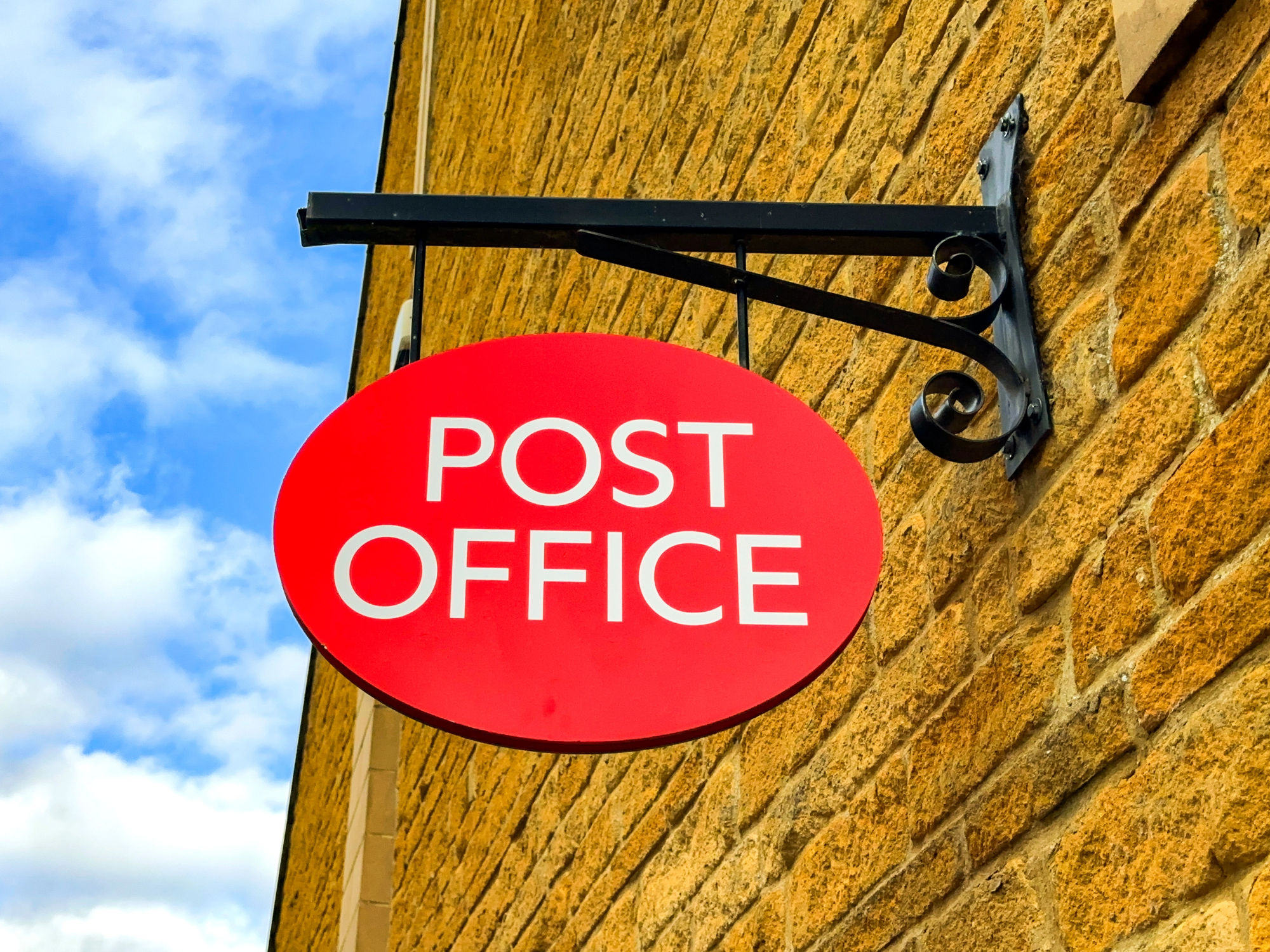
Booking a holiday is never complete without getting the right travel insurance and while searching online for insurance providers, you might see the Post Office travel insurance pop up and wonder if it’s good enough to go with or consider going with a familiar name you’re used to instead, just to be on the safe side.
That’s the real question, isn’t it. Not “what does Post Office travel insurance cover.” You can get that information on their website, but the real question is can you trust it and if something goes wrong on my trip, will they actually pay out?
In my travels, I’ve seen people get sick, have an accident, lose luggage, or miss flights because of delays at the airport. The difference between someone with decent insurance cover and someone who doesn’t have good cover can have a huge impact.
What the Post Office Is Actually Selling You
The Post Office travel insurance is sold through the Post Office brand but the policy itself is underwritten by Great Lakes Insurance SE, which is part of Munich Re and is one of the largest reinsurance groups in the world. This backing and security matters a lot more than you realise.
When you buy travel insurance, the brand on the tin isn’t the one paying your claim, the underwriter is, and Munich Re is about as solid as it gets. Whatever you think of the Post Office as a brand is not as important as the financial backing behind the policy which is genuinely strong in this case.
There are three tiers: Standard, Enhanced, and Premier. Standard is fine for a short trip to Europe if you’re young and healthy and travelling light. Enhanced and Premier are where it gets properly useful, especially for medical cover, which is the only part of travel insurance that really matters when things go badly wrong.
The Medical Cover Is the Only Number That Actually Matters
I know people who’ve ended up in hospital abroad. One had a bad fall on a hiking trail. Another had a cardiac episode on a city break. Both were fine, eventually. But the bills, without insurance, would have been serious.
Post Office’s Premier tier covers up to £10 million in emergency medical expenses. That sounds like a lot, and for Europe it is. But if you’re heading to the US, even £10 million can feel tight given what American hospitals charge. For most European destinations, it’s more than enough.
The Standard tier covers £5 million for medical. Honestly, for a short European trip, that’s probably fine. But the jump in price to Enhanced isn’t huge, and the extra cover for cancellation and baggage is worth having if you’ve paid a decent amount for your trip.
Pre Existing Conditions and Why You Can’t Skip This Part
This is where people get into trouble. Not because Post Office travel insurance is bad, but because they don’t declare things they should.
If you’ve got a pre-existing medical condition, you have to tell them. High blood pressure, diabetes, a heart condition, anything that’s been diagnosed or treated in the last few years. If you don’t declare it and you end up in hospital for something related to that condition, your claim will be rejected. That’s not a Post Office rule specifically, that’s how all travel insurance works.
The Post Office has a medical screening process you go through when you buy the policy. It’s fairly straightforward. You answer questions, they tell you whether your condition can be covered and what it’ll cost. Sometimes there’s an additional premium. Sometimes it’s more than you’d like. But it’s always better than finding out the hard way that you weren’t covered.
If you’ve got a complex medical history and you’re struggling to get cover at a reasonable price, the Money Helper travel insurance directory is genuinely worth a look. It lists specialist insurers for people who’ve been turned down or quoted sky-high prices elsewhere.
How the Price Compares to Other Insurers
The cost of Post Office travel insurance sits in the middle of the market and is not the cheapest because it’s balancing good cover with solid backing. A single trip to Europe for one adult in their 30s will typically cost somewhere between £15 and £30 depending on the selected tier and annual multi trip cover starts around £50 to £80.
Where it gets more expensive is when you add pre-existing conditions, or when you’re older. That’s true across the board with travel insurance, not just the Post Office.
The honest advice is to compare before you buy. Sites like Money Super Market let you put Post Office policies side by side with other providers. Just make sure you’re comparing the same level of cover. A policy that’s £10 cheaper but has half the medical cover isn’t actually cheaper if you need it.
Annual Multi Trip Cover: When It’s Worth It and When It Isn’t
If you’re going away twice or more in a year, annual multi-trip cover almost always works out better value. The Post Office annual policy covers unlimited trips within the year, with each trip capped at a set number of days, usually 31 or 45 depending on the tier.
One thing to check before you buy: the destination zones. Some annual policies split the world into Europe, worldwide excluding USA and Canada, and worldwide including USA and Canada. Each zone costs more than the last. If you’re only going to European destinations, you don’t need worldwide cover. Don’t pay for it.
Actually, I should mention this before I forget: some destinations that feel geographically distant still count as Europe for insurance purposes. The Canary Islands are a good example. Always check which zone your destination falls into before you buy, because it can make a real difference to the price.
What Post Office Travel Insurance Doesn’t Cover
A few things catch people out.
Adventure activities aren’t automatically included so if you’re planning on going paragliding or scuba diving, check the policy wording first because some activities need to be declared or added on as an extra.
Activities such as hiking are usually fine but if you think you might be doing any activities that might cause injury, then it’s best to check the wording of the policy you select.
For obvious reasons, Winter sports aren’t included in standard policies either and will need to be added on separately
If the Foreign, Commonwealth and Development Office advises against travel to your destination, most policies won’t cover you. That’s standard across the industry, so always check the FCDO travel advice before you go, not just for insurance reasons but because it’s genuinely useful information.
Is Post Office Travel Insurance Good for Families?
Yes, and this is one area where it’s genuinely competitive. Family policies cover two adults and their dependent children travelling together, and the children are typically included at no extra cost which results in savings, but make sure you check the age limits and cover for the children too.
Most Asked Questions
Is Post Office travel insurance any good?
Yes, for most travellers it’s a solid choice. The policies are backed by a reputable underwriter and the cover on the higher tiers is genuinely good. The claims process is straightforward for standard claims and although not the cheapest option, it’s reliable.
Does Post Office travel insurance cover all Europe?
Yes, European policies cover most popular holiday destinations in Europe but always double check that your specific destination is included when you buy.
Can I get Post Office travel insurance with pre existing conditions?
Yes, but you have to declare them during the medical screening process. Undeclared conditions won’t be covered. The price may go up depending on what you declare, but it’s always worth doing properly.
Does Post Office travel insurance cover COVID 19?
Current policies include cover for emergency medical treatment if you’re diagnosed with COVID 19 abroad, and cancellation cover if you test positive before departure. Check the Post Office website as this can change.
Can I buy Post Office travel insurance on the day of travel?
Yes, for single trip policies you can but cancellation cover only starts from the moment you buy so if you buy it the morning you fly, you’re not covered for anything that happened before that. You need to buy it when you book your trip, not when you pack your bag.
What about the Post Office travel insurance claims number?
Claims are handled by Great Lakes Insurance SE and the number is on your policy documents. Keep a photo of those documents on your phone before you travel because you don’t want to be searching for a policy number from a hospital waiting room.
Is Post Office travel insurance good for over 70s?
They do cover older travellers, but the price increases with age and there may be upper age limits on some tiers. If you’re over 70 with medical conditions to declare, it’s worth calling them directly rather than going through the online process.
The Honest Verdict on Post Office Travel Insurance
It’s good. Not perfect, not the cheapest, but genuinely good. The medical cover is solid, the underwriter is reputable, and for most people going on a standard holiday, it does exactly what it’s supposed to do.
Where it earns its place is with people who want something dependable from a brand they recognise, without having to spend three hours comparing policies. That’s a legitimate thing to want. Not everyone has the time or the inclination to become an expert in insurance small print.
The thing nobody tells you is that the best travel insurance policy isn’t the cheapest one or the most expensive one. It’s the one you actually read before you travel. Take fifteen minutes, know what’s covered, and know what number to call if something goes wrong. That fifteen minutes is worth more than any upgrade you could buy and gives you peace of mind.
Whatever you’re planning, buy the insurance the same day you book the trip and don’t leave it sitting on your to do list. That’s the one bit of advice I’d give anyone.