



You haven’t missed it yet. But if you keep waiting for the perfect time to book, you might. There are still places where your money goes genuinely far, where a good meal costs less than a coffee back home and a decent room doesn’t require a second mortgage. They just won’t stay that way for much longer.
This isn’t a list of obscure places you’ve never heard of. These are real, reachable destinations that are sitting right at the edge of a price shift. The kind where you go now and think “this is brilliant,” or you go in three years and think “this used to be so much cheaper.”
Why Travel Bargains Disappear (and How Fast It Actually Happens)
People assume prices creep up slowly. They don’t. Once a destination tips, it tips fast.
It usually starts with a budget airline adding a direct route. Then a travel magazine runs a piece on it. Then a couple of boutique hotels open. Within 18 months, the guesthouses that used to charge £25 a night are charging £60, because they’ve seen what the new hotels are getting and they know what tourists will pay. The street food gets a bit more expensive. The taxi drivers quote in euros even if you’re not in a euro country.
It’s not cynical to say this. It’s just the pattern, and it repeats itself everywhere. Knowing the pattern means you can get ahead of it.
Georgia: The Travel Bargain That’s Almost Out of Time
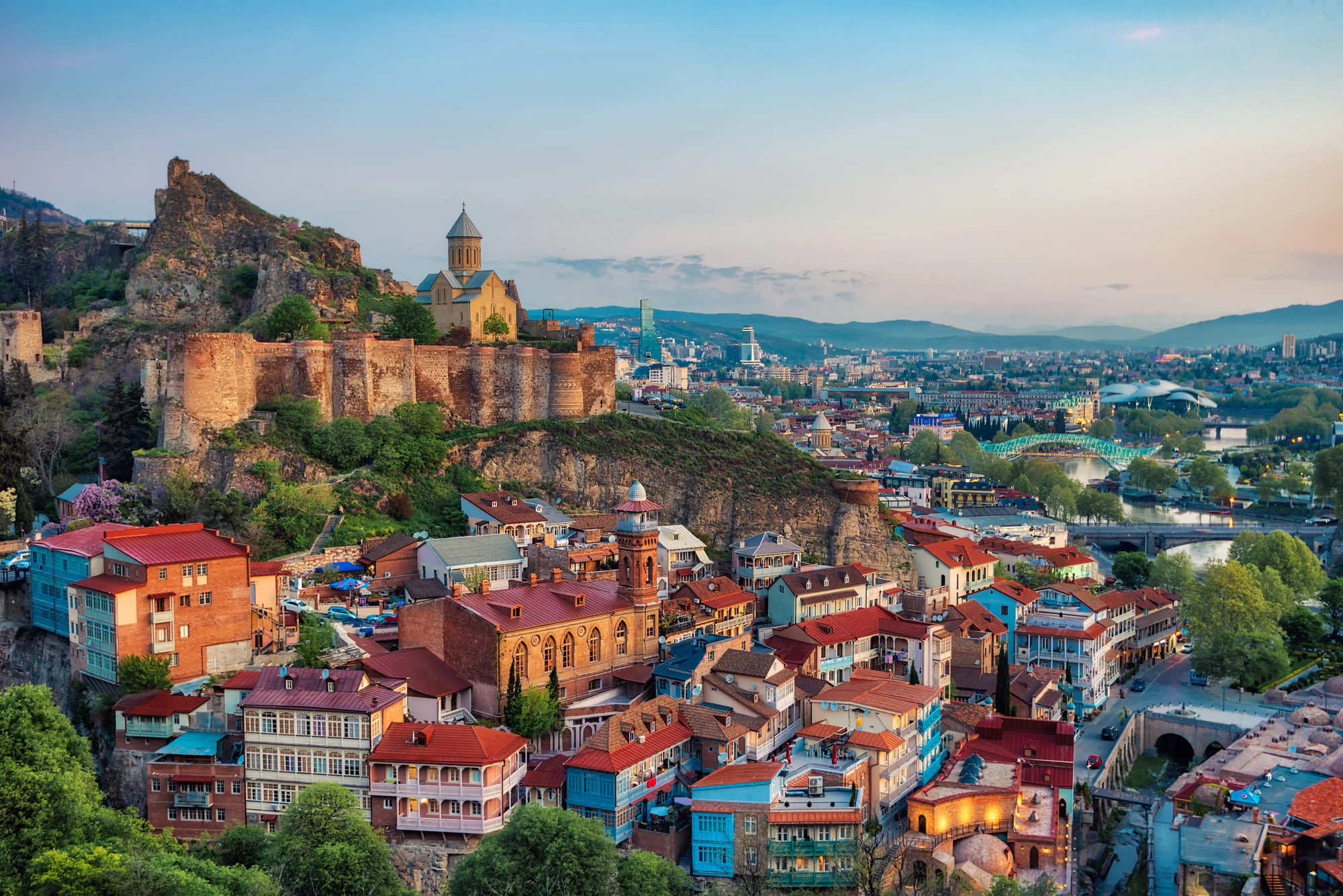
Tbilisi is the one I keep telling people about, and every time I do I’m slightly aware that I’m hastening the very thing I’m warning against. But here’s the thing: it’s too good not to share.
The old town smells like woodsmoke and something sweet, maybe from the bread ovens, maybe just the warm stone at the end of a long day. The streets are narrow and uneven and the buildings have these ornate wooden balconies that look like they might not survive another winter, and somehow they always do. In the evening, the light turns everything amber and the whole place feels slightly unreal.
Dinner for two with a bottle of Georgian wine costs about £12 in a proper restaurant. Not a tourist trap. A real one with a tablecloth. That price will make you feel guilty if you’ve been paying London prices for anything recently.
The UNWTO has flagged Georgia as one of the fastest-growing tourism destinations in the Caucasus region, and new boutique hotels are opening in the old town at a steady pace. Budget airline routes from the UK have been multiplying. The window for Tbilisi as a genuine travel bargain is probably two to three years, if that. Go before the prices catch up with the reputation.
Albania: Same Adriatic, Half the Price of Croatia
I’ll be honest, I resisted writing about Albania for a while because every article about it seems to say the same thing: “it’s the next Croatia.” And I hate that phrase, because it sets up a comparison that does Albania a disservice. It’s not trying to be Croatia. It just happens to have the same kind of coastline, at about a third of the cost.
Saranda, on the southern coast, is the clearest example. The water is deep blue in a way that feels almost theatrical. The old town has that warm stone quality you get across the whole region. A room that’d run you £150 a night in Dubrovnik in July costs around £40 here. In some places less, especially if you book directly.
The Albanian Riviera south of Saranda is where it gets really interesting. Small beaches, no sun lounger empires, restaurants where the menu depends on what came in on the boats that morning. The roads require a bit of attention. It’s not polished. But that’s exactly why it’s still cheap, and exactly why it’s worth going now.
Budget airlines started adding Tirana routes a couple of years ago. After routes come tourists. After tourists come the prices. You know how this ends.
Vietnam’s Central Coast: The Stretch Everyone Skips
Most people doing Vietnam fly into Hanoi or Ho Chi Minh City, spend a few days, do a tour, leave. The central coast, particularly the stretch from Danang down to Quy Nhon, gets a fraction of that traffic and a fraction of those prices.
Quy Nhon doesn’t feel like a tourist town because it isn’t one, not yet anyway. It’s a working Vietnamese city with a beach at the end of an ordinary street. Fishing boats go out at night and come back early in the morning. A bowl of bun bo Hue from the stall near the market costs about 50p. I ordered it three mornings in a row, which I think says more than any description would.
A clean, comfortable room on the beachfront costs around £20 a night. The Vietnamese National Administration of Tourism has been actively promoting this stretch of coast for international visitors, which means it’s on the radar now. The gap between being on the radar and being fully discovered is where you want to be, and right now Quy Nhon is sitting exactly in that gap.
Kosovo: The One That Surprises Everyone
Kosovo is the least-visited country in Europe, which is a fact that surprises most people when they hear it. It’s also still genuinely cheap in a way that most of Europe stopped being a decade ago.
Pristina is a young city in a literal sense, with a median age around 28, and the café culture reflects that. Good coffee, proper food, long evenings. A full night out for two, dinner and a few drinks, comes to about £20 total. That’s not a typo.
Prizren is the one worth making the effort for. It’s an hour south of Pristina and it has this quiet, settled feeling that Pristina doesn’t quite have yet. Ottoman-era stone buildings around a small river. A fortress on the ridge above the town. In the late afternoon, when the sun drops behind the hills and the whole place goes soft and gold, it’s one of those travel moments that you genuinely didn’t expect.
Kosovo is building its tourism infrastructure deliberately and well. That’ll bring investment and visitors, both of which are good for Kosovo. It’ll also bring higher prices. That process is already starting. It hasn’t finished yet.
Egypt’s Red Sea Coast: The Part That Still Feels Local
Cairo and Luxor are both worth your time. But if you want to understand why Egypt used to be one of the great travel bargains before the prices in the main tourist spots caught up, go to Dahab.
Dahab is slow. That’s the only way to describe it. It’s a small town built along a strip of beach, and the whole place operates at a pace that feels almost out of step with everywhere else. The air smells of salt and grilled fish. At night the restaurants put their tables right to the edge of the water and string lights along the shore, and you sit there with fresh seafood and a cold drink and the whole thing costs about £6.
The Egyptian pound has made this coast genuinely excellent value for British visitors recently, and I want to be clear that this won’t last forever. Currency situations shift. Investment follows tourists. Prices align themselves, gradually, to what visitors will pay rather than what locals earn. It’s already happening in parts of Hurghada. Dahab is still behind that curve. Not for long.
How to Tell When a Travel Bargain Is About to Disappear
There are three signs worth knowing, because once you spot them you can move quickly.
The first is budget airline routes. When a low-cost carrier adds a direct flight from a major UK airport to somewhere that didn’t have one before, set a mental clock for about 18 to 24 months. That’s typically how long it takes for local accommodation prices to start reflecting the new demand.
The second is hotel brands. When an international chain announces a new property somewhere, the local guesthouses almost always raise their rates within a year or two. Not because they’ve improved, just because the ceiling on what people will pay has been lifted.
The third is mainstream travel coverage. When a place starts appearing in “where to go this year” features in supplements and on major travel sites, the affordable version is usually already fading. By the time something is widely written about as a bargain, the best of the bargain is often gone.
None of the places on this list are past that point. But a few of them are close.
One Last Thought
The thing about travel bargains isn’t really about money. It’s about the version of a place you get to experience.
When somewhere is still affordable, it’s usually still local. The restaurants are cooking for people who live there, not just for visitors. The guesthouses are run by families, not by management companies. The streets feel like they belong to the city, not to tourism.
That version of a place is what people are actually paying for when they say they want a trip that feels real. And it’s the version that disappears first, before the prices even catch up.
Go somewhere on this list this year. Book the flight. Go while the version you actually want is still the version you’ll find when you get there.


